Saturday, November 5, 2022

Goodreads Giveaway

Goodreads Giveaway on Nov 5 - December 5th 2022

Hey Everyone,

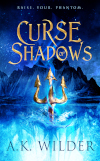
I am dropping in early this month to let you know about the Curse of Shadows giveaway on Goodreads. They have 5 hardback copies looking for a good home in the USA.

Follow the link to be in it!

I'm wishing you all good luck.

Here's the guff:

Goodreads & Entangled Teen are giving away five print copies of my new YA fantasy release, CURSE OF SHADOWS!

https://www.goodreads.com/giveaway/show/355358

For fans of epic fantasy with adventure and romance, Curse of Shadows reveals a world of unique magic, breathtaking action, and unforgettable love.

Amassia teeters on the brink of the next Great Dying.

The second sun has returned as our Bone Throwers foresaw--casting the nine realms into war.

My name is Ash, and I fell in the battle for Baiseen. But I’m awake now, slowly putting the pieces back together.

My Heir has lost his throne.

My sailor is gone.

And there is an emptiness inside me I can’t explain.

Amid the chaos, someone must collect the original twelve whistle bones from all corners of the world. Marcus is named to lead the cause, but with his volatile phantom, he’ll need diplomacy as much as his sword. And we are not the only ones to seek the bones.

Yet succeed we must.

Because if we don’t, it will be death to all…

Join in for USA readers. Aussie and NZ Giveaway coming soon!

#goodreads #yafantasy #giveaway

xxKim

***

Kim Falconer, currently writing as A K Wilder, has just released Crown of Bones, a YA Epic Fantasy with Curse of Shadows coming out December 6, 2022.

Kim can be found on  AKWilder Twitter, Facebook and Instagram. 

Throw the bones, read your horoscopes or Raise Your Phantom on the AKWilder.com site 

Tuesday, November 1, 2022

The "Band of Brothers" -- A Heroes-Related Post!

 .

Very many apologies to those of you who’re waiting for Instalment #9 of the “What Makes A Fantasy Hero” series – there’s been a delay, but it should post some time over the weekend.

What makes a hero?

In the meantime, I thought I’d feature The Band of Brothers, which is a heroes-related theme. It first posted on the late, great SF Signal.

The Band of Brothers was an early instalment in the “Having Fun With Epic Fantasy” series I commenced on SF Signal and continued on my own “…on Anything, Really” blog. (In fact it’s still continuing and is up to #14  – no small endeavor, I assure you! :D)

Enjoy – & Heroes #9 will post shortly! (Two instead of one – what could be better?!)

~*~


Having Fun with Epic Fantasy: The Band of Brothers

“…And Crispin…[Day]…shall ne’er go by

From this day to the ending of the world,

But we in it shall be remembered –

We few, we happy few, we band of brothers;

For he to-day that sheds his blood with me

Shall be my brother…”

~ William Shakespeare: Henry V

If anyone doubts epic fantasy’s strong and enduring roots in story, this quote from Shakespeare’s Henry V (the famous St Crispin’s Day speech made on the eve of Agincourt) must dispel their error. For the famous quote, “we band of brothers”, speaks to the heart of epic fantasy.


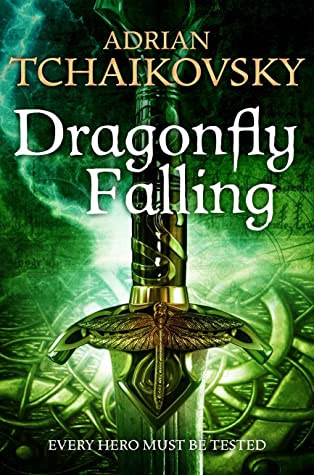
We find the “band of brothers” throughout fairytale, folklore and myth: Robin Hood and His Merry Men, King Arthur and the knights of the Round Table, Penthesilea and the Amazons. The “band” ideal crosses into history as well, with the Spartan 300 at Thermopylae, the 47 ronin-and the more contemporary defence of Rorke’s Drift, which inspired Tanya Huff’s Valor’s Choice and is alluded to (as the basis for an event in the Wasp/Dragonfly war) in Adrian Tchaikovsky’s Shadows of the Apt series.


Myth, legend, history: no wonder the “band of brothers”, or “buddies”, lies at the heart of epic fantasy (and a great deal more contemporary genre: Star Wars, Buffy, Firefly, Babylon 5 – I rest my case.) But it is the link to the quest-journey and tales of war, from Roland and Oliver at Roncesvalles, to Blenda and the shield-maidens of SmÃ¥land, that make the “band” so apt to epic fantasy, with its focus on large-scale conflict and world-altering events. 

Buffy -- "The Scooby Gang"

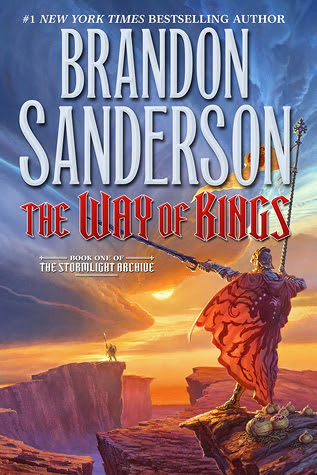
Although Tolkien’s “nine companions” who set out for Mount Doom are the obvious example, Steven Eriksons’ Malazan series includes the Bridgeburners, the Bonehunters, and the “chain of dogs.” There’s also the bridgebearers in Brandon Sanderson’s The Way of Kings – and the “band of brothers” characterizes David Gemmell’s writing: with “The Thirty” in his Drenai novels, as well as the defence of Dros Delnoch in Legend, and The King Beyond The Gate‘s friendship between Tenaka Khan and Ananais, which transcends cultural difference and traditional enmity.

The Fellowship if the Ring: the nine companions (plus Bill the pony...)

Guy Gavriel Kay’s work also exemplifies use of the “Band of Brothers” motif, notably in A Song for Arbonne where the element that most defines the protagonist, Blaise, is his friendships-more even than his hatred for his father and bitterness over the betrayal of his homeland. The “band of brothers” also charts the heart of Kay’s The Lions of Al-Rassan, where the friendship between Rodrigo Belmonte and Ammar ibn Khairan ultimately cannot transcend traditional enmity and cultural and religious difference.


But is the “band of ‘brothers'” theme solely the preserve of male writers and male-centric stories? I am glad to answer with a resolute “no.” Barbara Hambly’s The Ladies of Mandrigyn focuses on two separate “bands of sisters”: Sheera Galernas and the title’s ladies, forming themselves into a “scared band” to retake their city from a tyrant wizard; also the mercenary, Star Hawk, and courtesan, Fawn, thrown together in their quest to retrieve an abducted companion. 


Among Robin McKinley’s heroines, Aerin and Hari both fulfil their quests with the aid of sworn companions-although these comprise more animals than humans in Aerin’s case, drawing on the fairy- and folktale origins of the “band of buddies.” And the friendship of Raederle, Lyra of Herun, and Tristan of Hed, together with Lyra’s companion guards, makes Patricia McKillip’s Heir of Sea and Fire a memorable read.


It could be said that our enduring love for “the band” is simply another escapism. But then there are those examples from history… So perhaps we all just love those high, doomed tales of sacrifice and valor… Or maybe, somewhere in the mix, we recognize that comradeship and friendship are amongst the few human qualities capable of transcending self interest. As to whether they succeed, or not – well, that’s what puts the drama in the storytelling!

~*~


About The Author:

Helen Lowe is an award-winning novelist, poet, and lover of story. With four books published to date, she is currently completing the final instalment in The Wall Of Night series.

Helen posts regularly on her “…on Anything, Really” blog, monthly on the Supernatural Underground, and tweets @helenl0we.

Sunday, October 16, 2022

Why YA Revisited

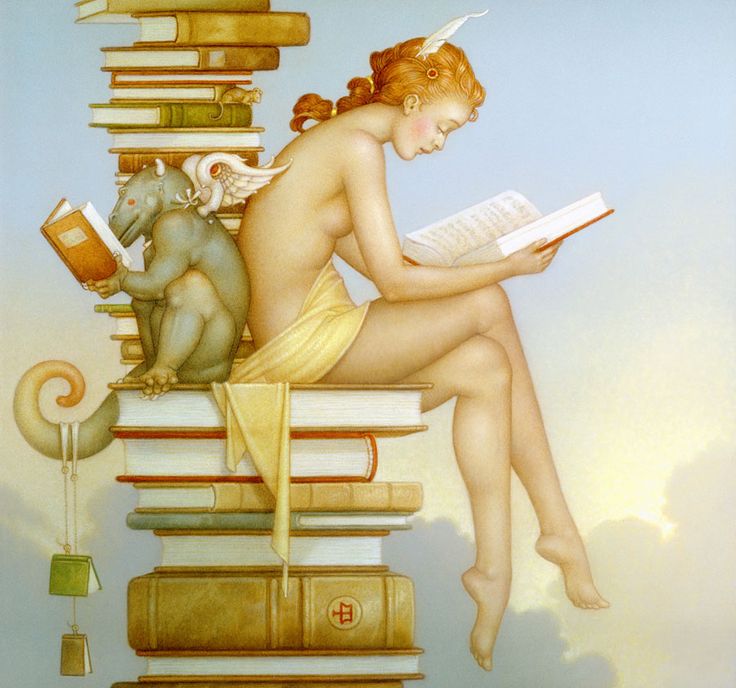
Ex Libra by Michael Parkes

In 2017, five years ago to the day, I asked you all for a show of hands - how many over 18'ers read YA (Young Adult) Fiction?

STATS

The stats then were clear: 55% of YA Fiction readers were over eighteen. Now, it's more like 70%. 

This expansion of the YA market boils down to the reasons stated before - YA Fiction tends to:

have a fast pace

undergo rigorous editing

deal with real-life issues

portray visceral emotions

be more affordable

- and five years later, with the help of researchers like Monica Hay,  we have additional reasons to consider.

More Reasons why Adults Love YA


1.  Escapism - This is where you get to leave your everyday life behind and experience a land of fantasy and adventure. Those over 18 may actually have more responsibilities to escape from, making the other benefits of YA especially enticing.

2.  Less Graphic Triggers - Even though YA immerses readers in real-life topics, the sex, violence, torture and profanity are not as overpowering as they are in some adult books of the same genre. If there are triggers, a warning is often given by the author about what kind of potentially triggering content is contained in the pages. Some readers really appreciate the heads-up.


3. Idealism - YA books tend to be hopeful in their philosophy. They have, if not 'happy endings' then an element of fulfilment and satisfaction not always seen in Adult fiction. 


4. Nostalgia - There are a lot of firsts in YA fiction, first love, first kiss, first conflict, first betrayal, first success... to remember what those moments were like, and how far we have come, can add a whole new level of fulfilment to the adult reader.


#5 Pushing the Edge
- YA as a whole was one of the first to embrace diversity in characters in writers. As well, YA books can bend the rules of genre, formatting and POV (point of view). 

We see genre blenders embracing crossovers between contemporary fantasy, SF thrillers, SF Fantasy, LGBT Historical, you name it. 


There are also YA books coming out in unique formatting such as verse, diaries, and social media instant messaging. 


And, talk about multiple point of view characters handled in unique ways. For example, in one story, the main protagonist is written in the first person: "I woke up with a knife to my throat." But all other POVs are written in the third person: "He waited for the right moment to speak." It's quite intriguing!


How about you? 

Are you reading YA for any of the above reasons, or perhaps one not mentioned yet? We at the sup would love to hear about it! 

xxKim

***

Kim Falconer, currently writing as A K Wilder, has just released Crown of Bones, a YA Epic Fantasy with Curse of Shadows coming out December 6, 2022.

Kim can be found on  AKWilder Twitter, Facebook and Instagram. 

Throw the bones, read your horoscopes or Raise Your Phantom on the AKWilder.com site 

Saturday, October 1, 2022

What Makes A Fantasy Hero #8: Clever -- or Clueless?

 .
When I commenced this "What Makes A Hero?" in Fantasy series, my initial focus was on essential elements, from the Call through to Courage and meeting the Challenge. 
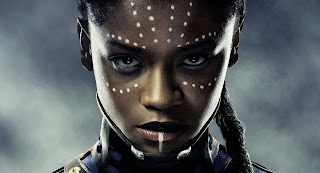
Shuri: courageous and very clever
More recently, I've been discussing qualities that may be considered optional. To date, I've canvassed Charisma and Chivalry – while today's topic addresses Clever vs Clueless. 

Last month, when discussing Chivalry, I referenced The Iliad and Achilles, who is the paramount hero not only because of his prowess in battle but also his (at the outset) exemplary honor. 


When it comes to the importance of cleverness in a hero's make-up, The Iliad provides two further models – the first is the wily Odysseus, who is called upon whenever military initiatives are at a standstill. The second is the immensely strong Ajax, who while always willing to hurl himself at the enemy, is definitely not the sharpest knife in the heroic drawer.

Odysseus in the film "Troy"

Clever or clueless, brain versus brawn – folklore and legend are rich with such characters: David pitted against Goliath, Thor and Loki on their many adventures, together with a whole pantheon of trickster demigods and/or heroes such as Coyote, Maui, and Robin Hood. 

Maui, from the film "Moana"

The question, in considering what makes a Fantasy hero, is if cleverness is a necessary part of the heroic makeup, or whether it can be sufficient to be physically strong and unquestionably brave, like Ajax, but not particularly bright.

The Clever:

The answer may be that it depends on circumstances. Mara of the Acoma, in Janny Wurts and Raymond E Feist's Daughter of the Empire, exemplifies not only cleverness but guile, and an ability to think outside the square. Yet when Mara inherits leadership of her House, its armies are decimated and largely undefended. To survive the Empire's vicious politics and deadly feuds, she has to out-think and outplay everyone else.


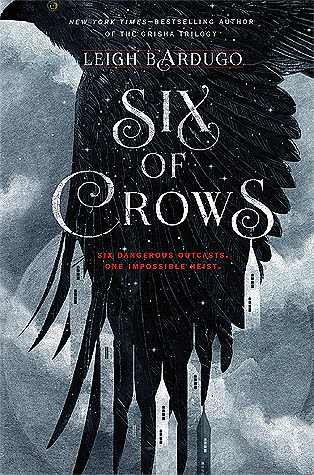
Kaz Brekker, in Leigh Bardugo's Six of Crows, is an outright trickster hero, relying on his wits and cleverness to not only survive but thrive in Ketterdam's underworld and the deadly politics with neighbouring realms. His sidekick, Jesper Fahey, however, while not clueless as such, certainly "leads with his chin" in many situations. 


Mercy Thompson, in Patricia Briggs' series of the same name, is the only shape-shifting coyote in a town dominated by a werewolf pack, but which includes many other paranormal beings as well. In the face of the wolves' superior strength and ferocity, as well as vampire glamors and fey magicks, Mercy must deploy the trickster coyote's wit and savvy to hold her own, stay alive, and protect those she loves.


Other notable trickster heroes include the mage, Quickben, in Steven Erikson's Malazan series, the god Sieh in NK Jemisin's Inheritance trilogy, and Canny Mochrie in Mortal Fire, by Elizabeth Knox. Yarvi, in Joe Abercrombie's Half A King, must use Loki-like cunning and trickery to survive dispossession and exile – although as I've noted before in this series, I'm inclined to regard Yarvi as an outright villain, rather than an antihero. (He's certainly not a hero.)


Cunning, wit, and guile, therefore, are vital in tight corners and when the odds are stacked against the protagonist. 

The cleverness required of a hero may not always be that of the trickster, but rather of the strategist. In terms of circumstances, this more often occurs when the danger is grave but the odds appear more even (at least on the surface.) 


Mara of the Acoma is one of the few heroes who demonstrates both forms of acumen: she subverts where required in order to survive, but she is also a strategic thinker and leader. While always present, the strategic aspect becomes more pronounced in the trilogy's second and third books (Servant of the Empire and Mistress of the Empire, respectively.)


Dalinar Kholin, from Brandon Sanderson's The Way of Kings (and Stormlight Archive series) is an exemplary strategist, as is Count Brass in The Chronicles of the Runestaff by Michael Moorcock. Alessan, in Guy Gavriel Kay's Tigana is another hero prepared to take the field, but his most significant contribution is his ability to outwit and out-game his enemies, pitting them against each other. 


Malian, in my Wall of Night series is a similar character: she has considerable magical power and is prepared to use it, but her ability to keep a cool head, think strategically, and play a long game, are also among her superpowers.


But Are There Clueless Heroes?

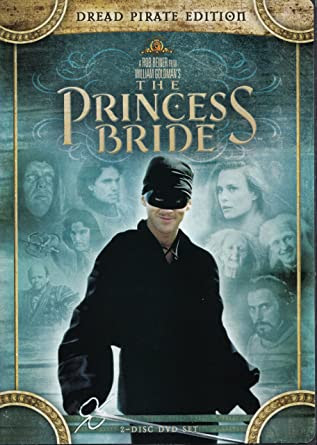
I had to think long and hard in order to identify a Fantasy hero cast in the same model as Ajax. Although not a main character (but still part of the "happy few, the band of brothers") I suspect Fezzik in The Princess Bride probably qualifies. :-)


My best example, though, is Ser Duncan the Tall in George RR Martin's A Knight of the Seven Kingdoms, "Dunk the Lunk" as he terms himself, is extremely naive and also, arguably, not particularly bright – but always very happy to throw himself into the thick of a fight. In Ser Duncan's case he has Egg (Aegon) to take care of most of the heavy thinking, so together they really are something of an 'Ajax and Odysseus' pair. 


Garion, in David Eddings' Belgariad, is not stupid but he is another extremely naive character in the early stages of the saga. And naivety, in many circumstances, can look a lot like cluelessness... 


Overall, though, the genre does not have many clueless heroes. The focus is more on characters that are reasonably intelligent, or even clever, but – like Jesper Fahey – tend to "lead with their chins." In other words, they tend to be driven by their emotions and to lead with them, too, rather than heeding the cooler counsel of their heads. Unsurprisingly, they are often hot-headed and reckless as well.


I've always felt that Harry Potter falls into this category, especially in The Order of the Phoenix, but also in incidents such as the Mirror of Erised in Harry Potter and the Philosopher's Stone. Rand Al Thor, in the Wheel of Time series, is frequently driven by his emotions, as is FitzChivalry in Robin Hobbs' Assassin trilogy. Both can be reckless as well, sometimes to the extent of foolhardiness. 


Sansa Stark, in the A Song of Ice and Fire series is another protagonist whose extreme, and wilful, naivete makes her appear clueless in the early books  – although by the end of A Feast for Crows (ASOIAF #4) the reader is beginning to realize that's not the case. Just as importantly, so is Sansa... 


Conclusion:

The reason for this, I suspect, is because Fantasy heroes must often solve complex magical and strategic problems, as well as leading forlorn hopes and glorious charges, Pelennor Fields-style. There is  definitely a place for the Ajaxes and Sir Duncan the Tall's when glorious charges, forlorn hopes, and sheer brawn are required. More often than not, though, the Fantasy hero must find a clever way to counterbalance considerable odds, or execute strategy on the level of a Mara or an Alessan in order to save a community, a realm, or a world.


Glorious Charge, Pelennor Fields style

Very often, too, part of the hero's journey for the reckless, hotheaded, and emotionally driven is to temper that aspect of themselves in order to win through. 

The weight of evidence, therefore, suggests that some degree of smarts is necessary to a Fantasy hero – and those that don't have it, like George RR Martin's Sir Duncan, had best find themselves an Egg. :-)
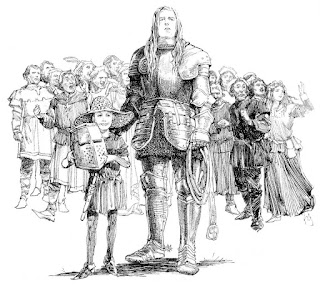
Sir Duncan & Egg

© Helen Lowe

~*~

Previous Posts:

January: Looking Forward To An Heroic 2022

March: What Makes A Hero -- and The Call

April: What Makes A Hero #2: Circumstance

May: What Makes A Hero #3: Commitment 

June: What Makes A Hero #4: Courage

July: What Makes A Hero #5: Challenge

August: What Makes A Hero #6: Charisma

September: What Makes A Hero #7: Chivalry 

~*~

About The Author:

Helen Lowe is an award-winning novelist, poet, and lover of story. With four books published to date, she is currently completing the final instalment in The Wall Of Night series.

Helen posts regularly on her “…on Anything, Really” blog, monthly on the Supernatural Underground, and tweets @helenl0we.