Showing posts with label Theme for 2025. Show all posts

Friday, January 2, 2026

Happy New Year -- & A Wrap on 2025!

 .
Happy New Year, Supernatural Undergrounders! I hope life brings us all some beach -- or beach analog -- goodness in 2026.

I also understand that we're entering the Year of the Fire Horse (although not until the end of February), which sounds like there may be action and excitement of the positive sort in store. All digits pretzelled that shall prove to be the case.

The Year of the Horse, 2026

I haven't yet decided on my theme for 2026, but in the meantime, here's the wrap on 2025's Leadership in Fantasy posts:

Great Leaders in Speculative Fiction ~ Where To Find 'Em & Why They Rock:

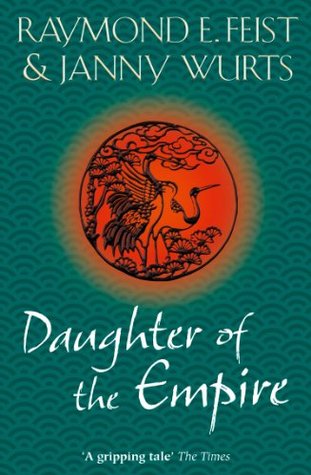
February: Mara of the Acoma in the "Empire" series by Raymond E Feist & Janny Wurts

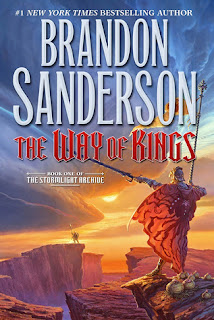
March:  Kaladin and Dalinar in "The Stormlight Archive" by Brandon Sanderson

April: Pyanfar Chanur in "The Pride of Chanur" series by CH Cherryh

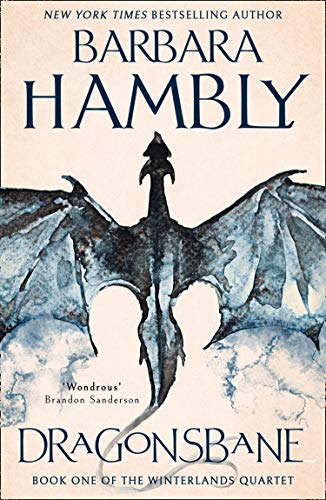
May: John Aversin in Dragonsbane, by Barbara Hambly

June: Katniss Everdeen in "The Hunger Games" Trilogy by Suzanne Collins

July: Ulric of the Nadir in Legend by David Gemmell

August: Signe de Barbentain in A Song for Arbonne by Guy Gavriel Kay 

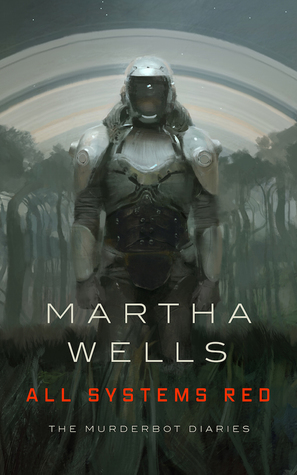
September: Dr Mensah in the "Murderbot" Series by Martha Wells

October: Katsa & Bitterblue in "The Graceling Realms" by Kristin Cashore

November: Coltaine in "Deadhouse Gates" by Steven Erikson

December: Faramir in "The Lord of the Rings" by JRR Tolkien 


~*~


About Helen Lowe 

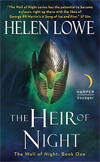
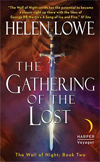
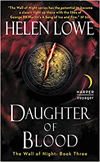
Helen Lowe is an award-winning novelist, poet, and lover of story. With four books published to date, she is currently completing the final instalment in The Wall Of Night series.
.
Helen posts regularly on her 
“…on Anything, Really” blog, monthly on the Supernatural Underground, and tweets @helenl0we.

Tuesday, December 2, 2025

Great Leaders in Speculative Fiction #11: Faramir in "The Lord of the Rings"

.

"I do not love the bright sword for its sharpness, nor the arrow for its swiftness, nor the warrior for his glory. I love only that which they defend." ~ Faramir, The Lord of the Rings

Welp, here we are in December -- & ready to spend time with another of speculative fiction's great leaders. It's the last post of the year in this series, but by no means the least, because the character is Faramir, from JRR Tolkien's epic classic, The Lord of the Rings.

Faramir  in The Two Towers

Those who have read the books will almost certainly know why I want to shine the leadership spotlight on Faramir. I get, though, that those who have only seen the Lord of the Rings films may be a tad puzzled at this point. :-)

For those among you who fall into the latter category, I hope today's post illuminates not only why I think Faramir is a great leader, but why he's among my favorite characters in The Lord of the Rings books -- and why I was hugely disappointed by his treatment in the films. #JustSaying 

The Lord of the Rings

By way of background, in The Lord of the Rings the realm of Gondor and bastion city of Minas Tirith (the Tower of Guard), are largely standing alone against the growing might, and evil, of Sauron and Mordor. Faramir is the younger of the Steward (ruler) of Gondor's two sons, and he first appears in the latter half of the second book, The Two Towers. 

Minas Tirith

The ringbearer, Frodo, and his companion, Sam, encounter Faramir in a disputed borderland where they are waging guerilla warfare against the forces of Mordor. In the third book, The Return of the King, Faramir commands the final defense of Gondor's Osgiliath outpost, and fighting retreat to Minas Tirith.

Frodo & Sam on Mordor's border

Faramir has many outstanding leadership qualities, but the defining one is his moral center. When the one ring comes into his power Faramir repudiates it without hesitation, because he knows that its power, while immense, is also hugely corrosive and corrupting. And although deeply committed to Gondor, his loyalty is not blind. So despite knowing that his father, the Steward, would want exactly that, Faramir will not take the ring's corruption into the heart of Minas Tirith. 

Although a successful war-captain, who leads a series of successful forays against the enemy, Faramir is also merciful. So just as he will not take the ring from Frodo and Sam by force (as his brother Boromir attempted to do), he also refuses to slay them just because they are in the wrong place at the wrong time. Despite considerable misgiving, Faramir also spares Gollum at Frodo's request--which turns out to be a wise decision, and also a fortuitous one in the end, although his father and brother would both have dismissed such mercy as weakness. 

Nazgul attack

In the books, observers view Faramir as "stern and commanding", as well as "wise" and of "keen wit", so it's perhaps not surprising that his mercy demonstrates sound judgment. Yet however quiet his strength, Faramir shows considerable leadership chops--which is powerfully demonstrated when he holds Gondor's army to a fighting retreat from Osgiliath, rather than allowing his troops to give way to panic and rout. This is no small feat when not only facing vastly superior numbers but the supernatural evil and unrelenting attacks by the Nazgul ringwraiths, i.e. there is a very good reason they concentrate their attacks on Faramir.

Eowyn of Rohan

All reasons that it makes complete sense for the brave and beautiful Eowyn of Rohan to fall in love with him -- not as a 'consolation prize' because she can't have Aragorn, but because Faramir is the real deal. As both a man and a soldier he lights up the pages of The Two Towers and The Return of the King. Unquestionably, too, he deserves his place in the pantheon of speculative fiction's great leaders. 


Eowyn & Faramir: movie poster

~*~

Prior Posts: Great Leaders in Speculative Fiction ~ 
Where To Find 'Em & Why They Rock

February: Mara of the Acoma in the "Empire" series by Raymond E Feist & Janny Wurts

March:  Kaladin and Dalinar in "The Stormlight Archive" by Brandon Sanderson

April: Pyanfar Chanur in "The Pride of Chanur" series by CH Cherryh

May: John Aversin in Dragonsbane, by Barbara Hambly

June: Katniss Everdeen in "The Hunger Games" Trilogy by Suzanne Collins

July: Ulric of the Nadir in Legend by David Gemmell

August: Signe de Barbentain in A Song for Arbonne by Guy Gavriel Kay 

September: Dr Mensah in the "Murderbot" Series by Martha Wells

October: Katsa & Bitterblue in "The Graceling Realms" by Kristin Cashore

November: Coltaine in "Deadhouse Gates" by Steven Erikson
.

~*~


About Helen Lowe 

Helen Lowe is an award-winning novelist, poet, and lover of story. With four books published to date, she is currently completing the final instalment in The Wall Of Night series.
.
Helen posts regularly on her 
“…on Anything, Really” blog, monthly on the Supernatural Underground, and tweets @helenl0we.

Sunday, November 2, 2025

Great Leaders In Speculative Fiction #10: Coltaine in "Deadhouse Gates" by Steven Erikson

 .
Draw near, gentle readers, and let me tell you of Coltaine and the Chain of Dogs! Know, too, that my tale is praise — for no series on great leadership in the pages of speculative fiction could be complete without Coltaine.

Coltaine: © Jason Dement

For those who know the Malazan Book of the Fallen (Malazan) series by Steven Erikson, I suspect no more need be said. For others, to whom the name Coltaine is new, I shall commence my tale by sharing that he is a central characters in Deadhouse Gates, which is #2 in the Malazan series.


Coltaine is a leader among the nomadic Wickan tribes, who formerly opposed the Malazan empire but were convinced to join their ranks. When the story opens, he is now a Fist (think, general), in the Malazan armies, but is still regarded as a barbarian outsider by many. He is newly posted to the territory known as the Seven Cities, with command over both his own Wickan cavalry and the Malazan Seventh Army. Yet at the time of his arrival, the entire region is on the verge of an apocalyptic revolt, which erupts almost immediately afterward.

Foreseeing the revolt and that he cannot hold where he is, Coltaine leads a fighting retreat to join the main Malazan army in the stronghold city of Aren. What follows is a march that comes to be dubbed the Chain of Dogs, in which Coltaine must hold together his vastly outnumbered troops and defend thirty-thousand civilian refugees, in the face of privation and constant battle.

One of Coltaine's most significant leadership qualities is his ability to read events and his enemies. So when the revolt comes, he's prepared his troops and secured the supplies that make a fighting retreat possible. Throughout the Chain of Dogs, he out-thinks and outfights 
his opponents—although not without luck, given the degree to which he's both encumbered and outnumbered.


Mostly, though, Coltaine makes his own luck, through a combination of preparation, tactical and strategic thinking, and daring. And although his leadership style is more distant than charismatic, he wins his army's unswerving loyalty through his genius and successes—which they understand, quite rightly, is what's keeping them in the fight.

Any distance, though, is only of personality, because otherwise Coltaine is strikingly present, leading a fight in which the one thing he can always be relied upon to do, militarily, is the unexpected. Yet his most surprising act, in the eyes of several of the tale's observers, is burdening himself with the civilian refugees, when militarily, jettisoning them would make more sense.


Coltaine's greatness, though, lies in his ability to see a much bigger picture. He chose to join the empire, rather than continuing to fight it, because he perceived its strengths, particularly those of unity and organization. Strengths that will not be served by abandoning thirty-thousand civilians to be massacred, fueling the flames of rebellion, and replacing his outnumbered force's resolve with shame.

I believe there are few story arcs in speculative fiction more compelling than that of Coltaine and the Chain of Dogs. He is neither invulnerable nor infallible, but his courage, resolve, and sacrifice, see the thirty thousand to Aren, and put those who dismissed him as a barbarian outsider to shame. From the beginning of the Chain of Dogs to its end, he sees what needs to be done, and does it, by means of a combination of qualities that make him one of the outstanding leaders in speculative fiction.
~*~

© Jason Dement

Coltaine Image: Thanks to Jason Dement

I would like to thank Jason Dement for allowing me to feature his wonderful depiction of Coltaine in this post. As I said when making my request, it's always special to see a depiction that resonates with the visuals in one's head.

If you would like to see more of Jason's art, which features other characters from the Malazan series, as well as Star Wars and Marvel characters, click on Jason Dement. I believe you'll find that his site repays a visit.
 J

............~*~

Prior Posts: Great Leaders in Speculative Fiction ~ 
Where To Find 'Em & Why They Rock

February: Mara of the Acoma in the "Empire" series by Raymond E Feist & Janny Wurts

March:  Kaladin and Dalinar in "The Stormlight Archive" by Brandon Sanderson

April: Pyanfar Chanur in "The Pride of Chanur" series by CH Cherryh

May: John Aversin in Dragonsbane, by Barbara Hambly

June: Katniss Everdeen in "The Hunger Games" Trilogy by Suzanne Collins

July: Ulric of the Nadir in Legend by David Gemmell

August: Signe de Barbentain in A Song for Arbonne by Guy Gavriel Kay 

September: Dr Mensah in the "Murderbot" Series by Martha Wells

October: Katsa & Bitterblue in "The Graceling Realms" by Kristin Cashore
.

~*~


About Helen Lowe 

Helen Lowe is an award-winning novelist, poet, and lover of story. With four books published to date, she is currently completing the final instalment in The Wall Of Night series.
.
Helen posts regularly on her 
“…on Anything, Really” blog, monthly on the Supernatural Underground, and tweets @helenl0we.


Thursday, October 2, 2025

Great Leaders in Speculative Fiction #9: Katsa and Bitterblue in Kristin Cashore's "Graceling Realms"

 .
You may recall, way back in March, that I couldn't decide between Dalinar Kholin and Kaladin, when it came to picking a leader to feature in Brandon Sanderson's "Stormlight Archive" series. 

And I feel pretty much the same when it comes to Katsa and Bitterblue, from Kristin Cashore's "Graceling Realms" series. 

In the case of Dalinar and Kaladin I went with both, so I'm going to follow that precedent for today's post, and spend a little time with both Katsa and Bitterblue. 

When it comes to their leaderhip roles and style, they're even more distinct than Dalinar and Kaladin. Of the two, Katsa is far more an inspirational leader, in the same way as Katniss in The Hunger Games. (Ha! Loving the overlap between those names!) 

The two Kat's are not entirely the same, though. Where Katniss is a very public figure who inspires a nation, Katsa works in secret to bring about change. She definitely leads in those endeavors, and inspires those about her though, which helps the changes ripple wide -- but her role is that of an eminence grise, rather than a public leader. 

Bitterblue on the other hand is a ruling queen, so a very public figure. She has also inherited a kingdom--Monsea--that was traumatised by the tyrannical and exploitative rule of her father, King Leck. It was Katsa who rescued Bitterblue from Leck when she was a young child, giving her the opportunity to grow up unharmed and  learn different ways of ruling. When she becomes queen, Bitterblue works hard to right Leck's wrongs and bring peace and reconciliation to Monsea.

Where Katsa is charismatic, Bitterblue is conscientious. She is also, as Kristin Cashore herself said when I interviewed her for Bitterblue's release:  

“…I love her loyalty…I love how hard she tries, and I love her refusal to give up.”

On first reading, I was also struck by Bitterblue's generosity as well as her fidelity, by which I mean the way she strives to keeps faith with her subjects, and the truth of Monsea's past. Hard yards for a young and conscientious woman.

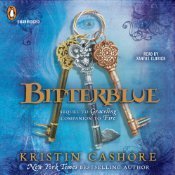
Audio book cover

The trait she and Katsa have in common is their commitment to ensuring change and building fairer and stronger societies. Katsa works behind the scenes, where Bitterblue must endure the scrutiny of public life. Yet together and separately, they stand among the great leaders of spec-fic lit. 

~*~


About Helen Lowe

Helen Lowe is an award-winning novelist, poet, and lover of story. With four books published to date, she is currently completing the final instalment in The Wall Of Night series.
.
Helen posts regularly on her 
“…on Anything, Really” blog, monthly on the Supernatural Underground, and tweets @helenl0we.


......................................~*~

Tuesday, September 2, 2025

Great Leaders in Speculative Fiction #8: Dr Mensah from "All Systems Red" by Martha Wells

 .
I promised this post series would include leaders from SciFi as well as Fantasy, and have already featured the great Pyanfar Chanur. This month, I'm returning to the SciFi greats with Dr Mensah, from All Systems Red by Martha Wells. 

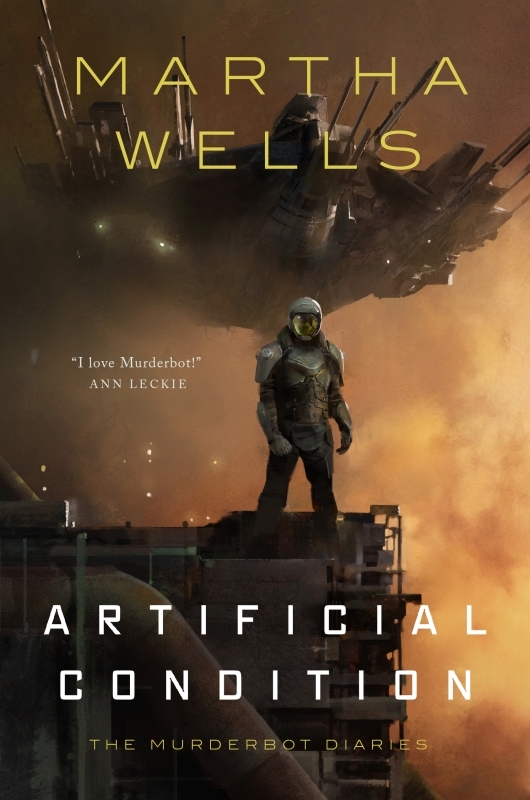
Those of you who know (and I imagine it's quite a few ;-) ), will know that All Systems Red was the very first instalment in the Murderbot series, which was recently released on Apple TV. You may also know that Dr Mensah is prominent throughout the novella quartet that founded the series.


Nonetheless, her character and leadership chops were established in All Systems Red, which is also the basis for the smallscreen show, hence my focus. 

Now for what qualifies Dr Mensah's leadership for the "greatness" tag. (Totes imho, of course!) First and foremost, she emulates the immortal words of Rudyard Kipling (paraphrased) by keeping her head when all those about her are losing theirs. 

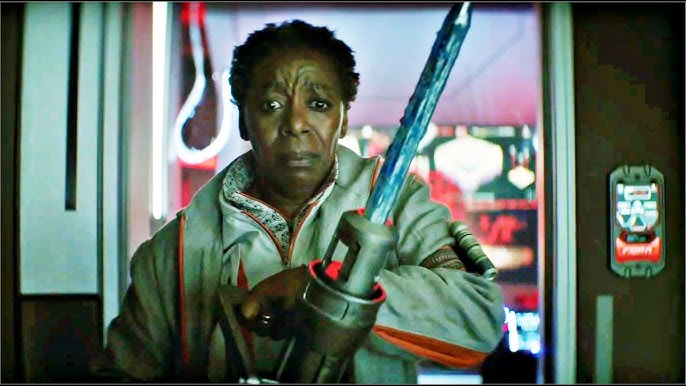
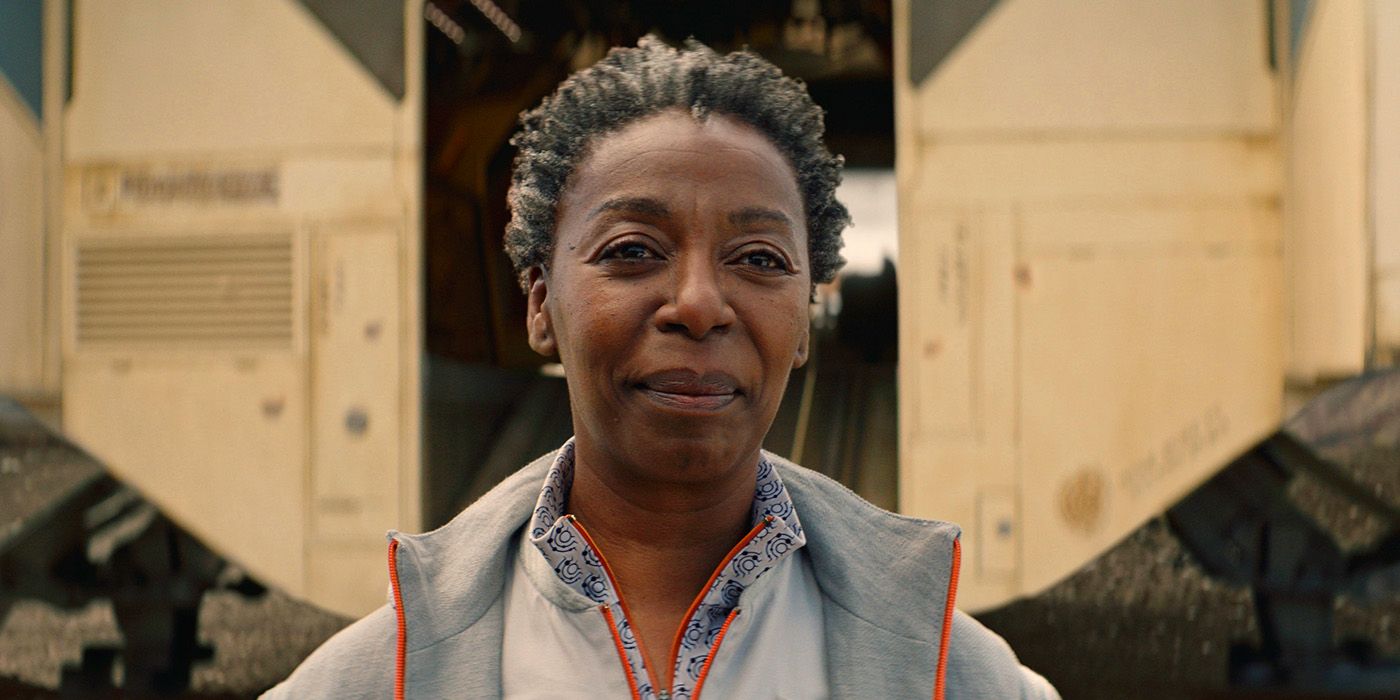
That's What I Found Beautiful in That Moment": 'Murderbot's Noma Dumezweni  Explains What Mensah Is Thinking in That Finale Reaction Shot
Dr Mensah

To be fair, we're talking really tough and challenging circumstances, including hostile megafauna trying to eat a crew member and the wholesale murder of another research crew on the same planet, before her own team become the next target for the mysterious killers. Plenty of grounds for losing one's head -- but Dr Mensah never loses her cool, or her nerve. 

The other part of the Kipling quote is about blame -- but Dr Mensah is not one of those who wastes time on blame when events go west. Instead she takes action and responsibility, holding her crew together by her personal example. As leader, she listens to others' input, but makes the tough decisions to ensure their survival.

And as Murderbot, the human-robot construct at the center of the series puts it, Dr Mensah "really is an intrepid galactic explorer." When the chips are down and the going gets uncompromisingly tough, she has his back.

Murderbot’s Brain Is Breaking But Then Mensah Shows Up With a Drill |  Episode 4 Recap
Having Murderbot's back -- with a mining drill!

Finally, Dr Mensah is not the kind of leader that leaves a team member behind -- not even when the team member is a human-bot construct that Corporation Space (which governs a large swathe of galactic space in this series) designates as equipment and disposable.

It speaks to her character, and leadership, that once she realizes Murderbot is a sentient entity, she won't continue to treat it as a machine. In other words, Dr Mensah is not just level-headed, responsible, courageous under fire, and both open- and tough-minded -- she's ethical as well.

So when it comes to great leadership in the speculative fiction 'verse, I think it's indisputable: Dr Mensah is the complete package. 

~*~


About Helen Lowe

Helen Lowe is an award-winning novelist, poet, and lover of story. With four books published to date, she is currently completing the final instalment in The Wall Of Night series.
.
Helen posts regularly on her 
“…on Anything, Really” blog, monthly on the Supernatural Underground, and tweets @helenl0we.


......................................~*~

Saturday, August 2, 2025

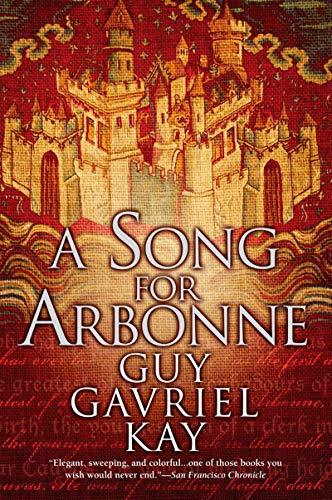
Great Leaders in Speculative Fiction #7: Signe in "A Song For Arbonne" by Guy Gavriel Kay

 .

In last month's post, I focused on when a book's "big bad" can also be a great leader. This month, I want to hone in on Signe de Barbentain in A Song for Arbonne by Guy Gavriel Kay. 

Signe is definitely on the side of the angels, but she has also had leadership thrust upon her, in a country -- Arbonne -- divided by a bitter rivalry for the past quarter century. 

For starters, she is an old woman, and the widow of Arbonne's ruling Count, rather than having always held the throne in her own right. The reason she does so now is because her husband died without an heir -- and the divisive rivalry is between the heads of Arbonne's two most powerful political and military families. So Signe, despite her age, must rule alone and in her own right, in order to hold the balance of power, and keep the peace, between the two.

What further complicates the situation for Signe, is that the cause of the feud was her daughter, Aelis. Aelis was married to one great nobleman, Urte de Miraval, but fell in love with the other, Bertran de Talair. She died in childbirth, but brought matters to a head by revealing the affair to Urte and telling him Bertran was the father of her child -- who also died, leaving no heir to Arbonne and a bitter feud between the two men. By the time Signe comes to rule alone, the rift is irreconcilable.


The problem for Signe is that Arbonne's neighbour, the militarily powerful and fervently religious nation of Gorhaut, makes no secret of its ambition to annexe Arbonne -- an ambition fueled by Gorhaut's desire to eradicate the worship of the goddess Rian, which prevails in Arbonne. 

Under such circumstances, Arbonne needs unity desperately, because unless Urte and Bertran reconcile, Gorhaut will conquer it. As Countess, Signe must strive to prevent that outcome. She also knows that Urte and Bertran will never work together, despite considerable effort by herself and other Arbonnais leaders. (Including 'influencers', as we would say. :-) )

Signe's unenviable dilemma is brought to a head when a very high-ranking Gorhautian noblewoman, Rosala de Garsenc, arrives in Arbonne requesting political sanctuary for herself and her about-to-be-born child. This is a considerable test for Signe in terms of living her "side of the angels" values, because granting it will give Gorhaut the perfect pretext to invade. 


The easiest, and most politically expedient, course for Signe would be to refuse Rosala and send her and the child back, irrespective of the adverse fate that awaits them. But although Signe is old, and tired, she is also astute. She understands that Gorhaut will invade at some point regardless, but most probably soon, and that sending Rosala back will very publicly negate the values that Arbonne -- and the disputed worship of the goddess Rian -- claim to stand for. So in bowing to Gorhaut, Arbonne will appear weak and craven, eroding public confidence and causing its allies to waver. 

In other words, Signe is capable of evaluating both immediate threats and a bigger picture, and -- however old, and physically frail -- of making the big calls. Yet the elephant in the Arbonne room is always the feud between Miraval and Talair, and defying Gorhaut will lay bare its consequences. 

Signe's dilemma is that Bertran de Talair is the most able military leader and must lead Arbonne's defense -- but if he does, Urte de Miraval won't fight himself or field Miraval's considerable military force. An impossible decision, but as ruler, Signe must make it. She appoints Bertran, as she must, and Urte withdraws. Leaving Arbonne's defense a forlorn hope, or so we think... 

[Herewith a "Spoiler Alert" for anyone who hasn't read this book, but thinks they might like to.] 


Signe realizes the only way to save Arbonne is to accept that she can't reconcile or compel Urte and Bertran, so she must come up with an alternate plan based on their division. But to work, complete secrecy must be maintained -- not only from Gorhaut, but from Arbonne's allies and the rest of Signe's leadership team. Only one other person, necessary to make it work, can be privy to the plan.

Here's the thing, though. Like many such secret plans, it's high risk and requires Signe to proceed on the basis of trust, even if she cannot be entirely certain of her ace in the hole. So Arbonne's fate rests on a gamble, but also Signe's nerve, wit, and determination in playing for the highest stakes.

So when I look across the array of leaders present in the Fantasy and Science Fiction genres, Signe de Barbentain is right up there in the ranks of the great. Among the many qualities that qualify her for greatness, the foremost (in my 'umble opine :-) ) is Signe's ability to accept what cannot be changed. Then use it, to defend the country, and way of life, she loves. 

~*~


About Helen Lowe

Helen Lowe is an award-winning novelist, poet, and lover of story. With four books published to date, she is currently completing the final instalment in The Wall Of Night series.
.
Helen posts regularly on her 
“…on Anything, Really” blog, monthly on the Supernatural Underground, and tweets @helenl0we.


......................................~*~

Monday, June 2, 2025

Great Leaders in Speculative Fiction #5: Katniss Everdeen & "The Hunger Games"

 .
Can you believe it's June already? Time swoopin' by, as it does! Howeverz, it does mean we're at #5 in the "Great Leaders In Speculative Fiction" series -- *and* the spotlight is on the inimitable Katniss Everdeen from Suzanne Collins' "The Hunger Games" trilogy.

Katniss Everdeen

Up until now, the leaders featured in this series have all come from a leadership background in their society -- yes, even Kaladin in Stormlight Archive, although his background is by no means as elevated as that of Dalinar Kholin.

Katniss, though, truly is a commoner, and poor with it. Not only that, she's a poor commoner from one of her society's poorest Districts (think state, province, shire.) Although close to her mother and sister, she's also a loner except for her hunting buddy, Dale, who is also a friend. 

The most interesting aspect of Katniss as a leader, not just a hero and champion (although she's very clearly that, too) is that she remains a loner throughout. From the moment she volunteers to take her sister's place in the Hunger Games lottery, Katniss's leadership is moral, rather than the more usual paths of governance or military prominence. 

In her person, and by her deeds, she exemplifies a riposte, and an alternative, to the cruelty and repression of the Capitol, which masterminds the Hunger Games.

I feel very sure everyone reading this knows the Hunger Games premise, but 'just in case', every District must supply two of their children, one girl, one boy, to the Capitol every year, to compete in an arena where all tributes must kill or be killed. Only the last tribute standing survives the arena.

And no one volunteers -- except for Katniss. The second book is titled Catching Fire and Katniss burns very brightly throughout, but it is a flame of moral integrity as well as physical and mental courage. The combination of the two make her an inspirational leader as well. Seeing and hearing her, people's spirits catch alight. They want to follow her example and do as she does.

Yet Katniss always stands alone. In part, because she sees the realities and uncomfortable truths that most people prefer to avoid. The trilogy ends, as it begins, with Katniss taking a moral stand -- but this time, it's not one that all, if any, among those who follow her, readily understand. 

Katniss has been pushed to a brink. The fact she survives it illustrates the degree to which she has become more symbol than person. The symbol cannot be allowed to fail, or fall, which is also why her final deed carries so much weight and does bring a lasting end to the Hunger Games.

Yet for all the fires Katniss has lit, she is more alone at the end than at the outset. And however bright her personal flame, the path from the Games, through revolution, to reach that end was always a precipice, with death on one side and failure of integrity on the other. 

Unquestionably, though, the fire Katniss Everdeen lit was a conflagration, both in the trilogy's world of Panem, and in readers' enthusiasm for her story. 

~*~
About Helen Lowe

Helen Lowe is an award-winning novelist, poet, and lover of story. With four books published to date, she is currently completing the final instalment in The Wall Of Night series.
.
Helen posts regularly on her 
“…on Anything, Really” blog, monthly on the Supernatural Underground, and tweets @helenl0we.


......................................~*~