|
| Art by @horseman09 on Instagram |
Today's spotlight from the Backlist was written June 26, 2010 by the spectacular Fantasy author Karina Cooper. Her thoughts on contemporary monsters and why we love-fear-love them are timely, and well considered.
Hope you enjoy!
Check out Karina Cooper on Goodreads!
Forbidden Fruit (And Don't We Love It!)
We've all met the forefathers of the paranormal world. Bram Stoker's Dracula, George Waggner's The Wolf Man,
and other early prototypes of the much-maligned fur-and-fanged world
have been ingrained in our racial memory almost as deeply as a
fear/fascination of fire.
Think I'm joking? Don't worry, I am... mostly. While there is no (credible) evidence of fanged cavemen stalking the Neanderthals of ages past, there is, instead, a like fascination with the things that go bump in the night. We have loved to hate vampires who creep through bedroom windows, cheered when the werewolves have been put down by silver bullets (carefully crafted from one's father's melted down watch, natch), covered our eyes when the blood-bathing witch was burned at the stake and the souls of her cursed victims set free.
If you're here, then you share that love with me.
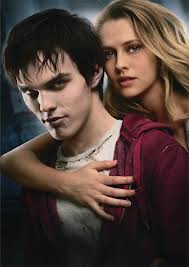
And perhaps you can answer a question that has always interested me: How, in all that is (un)holy, did vampires go from this unfortunate child of the night to this blessed hunk of blood-love? Where in our society did we decide that being stalked by furry-faced flesh-eaters was not nearly so fun as being seduced by them?
I have a theory, gentle (and not so gentle) readers. My theory is this: We as a species, a culture and a shared memory are routinely fascinated by the forbidden. From as majestic as the ancient tales of locked gateways to heaven to the mundane as being told we shouldn't touch the stove, we are drawn to that which we cannot have...
Think I'm joking? Don't worry, I am... mostly. While there is no (credible) evidence of fanged cavemen stalking the Neanderthals of ages past, there is, instead, a like fascination with the things that go bump in the night. We have loved to hate vampires who creep through bedroom windows, cheered when the werewolves have been put down by silver bullets (carefully crafted from one's father's melted down watch, natch), covered our eyes when the blood-bathing witch was burned at the stake and the souls of her cursed victims set free.
If you're here, then you share that love with me.
And perhaps you can answer a question that has always interested me: How, in all that is (un)holy, did vampires go from this unfortunate child of the night to this blessed hunk of blood-love? Where in our society did we decide that being stalked by furry-faced flesh-eaters was not nearly so fun as being seduced by them?
I have a theory, gentle (and not so gentle) readers. My theory is this: We as a species, a culture and a shared memory are routinely fascinated by the forbidden. From as majestic as the ancient tales of locked gateways to heaven to the mundane as being told we shouldn't touch the stove, we are drawn to that which we cannot have...
Enjoy!
* * *

Speculative Fiction (Fantasy/Thriller/Sci-Fi/Urban Fantasy) for adults and teens.
We're a group of best-selling authors providing news, reviews and interviews from the darker, more speculative side of fiction.
Fiction that makes the heart beat faster...